
Key Cybersecurity Trends Shaping Modern Security Operations
Cybersecurity continues to evolve as organizations adopt cloud services, remote work models, and complex digital ecosystems. Modern security operations must adapt to an expanding attack surface while responding to increasingly sophisticated threat actors.
One of the most significant trends is the shift toward cloud-centric security. As organizations migrate workloads to platforms such as AWS and Azure, traditional perimeter defenses are no longer sufficient. Security teams must focus on identity, access management, and continuous monitoring to detect misconfigurations and privilege abuse.
Another key development is the growing importance of identity-based attacks. Threat actors increasingly target credentials rather than infrastructure, using phishing, token theft, and session hijacking techniques. This has made identity security, MFA enforcement, and behavioral monitoring critical components of defense strategies.
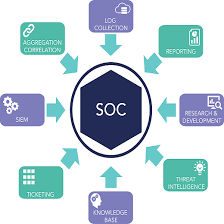
Automation and security orchestration are also becoming essential. SOC teams face alert fatigue due to the volume of security events generated by modern environments. Automated triage, enrichment, and response workflows help analysts focus on high-impact incidents while reducing response times.
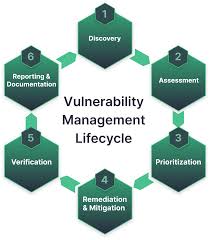
Vulnerability management has shifted from periodic scanning to continuous risk assessment. Organizations now prioritize vulnerabilities based on exploitability and business impact rather than raw severity scores. This risk-driven approach enables more effective remediation planning and resource allocation.
Ultimately, effective cybersecurity depends on collaboration between people, processes, and technology. By combining proactive security testing, continuous monitoring, and strong incident response capabilities, organizations can better defend against modern threats and improve overall resilience.